Adorable Animals and Floral Clipart for Modern Design
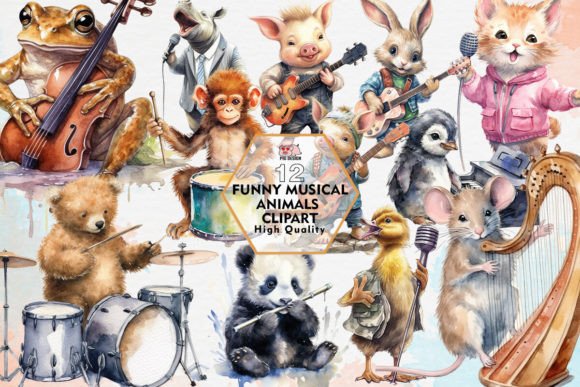
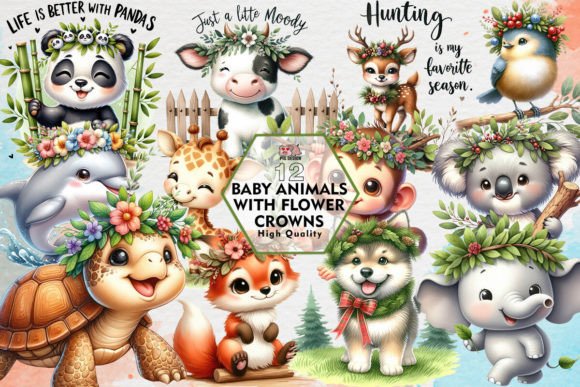
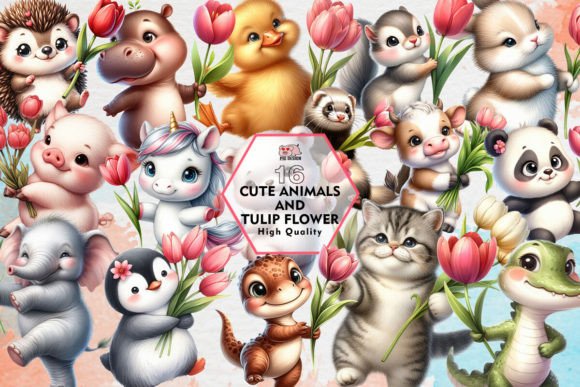
Discovering high-quality assets like Cute Animals and Tulip Flower Clipart can instantly elevate a design project, offering a blend of whimsy and elegance that resonates across various audiences. This versatile collection provides designers, marketers, and creators with a powerful tool for adding a touch of nature-inspired charm to their work, ensuring visual communication is both engaging and memorable.
The Strategic Value of Whimsical Visual Assets
In a crowded digital landscape, establishing a distinct brand identity is paramount. Carefully curated Cute Animals and Tulip Flower Clipart serves as more than just decoration; it becomes a core component of visual storytelling. These elements can soften a corporate message, make a children's brand more approachable, or add a seasonal flair to marketing campaigns. The right imagery directly influences user engagement, guiding the viewer's eye and evoking specific emotional responses that align with brand goals.
From a professional standpoint, integrating such assets requires a thoughtful approach to visual hierarchy and color palette consistency. A well-chosen clipart piece should complement, not compete with, typography and layout. For instance, a delicate tulip illustration can frame a call-to-action, while a friendly animal character can become a memorable mascot for a startup, enhancing UX design by making interfaces feel more welcoming.
Practical Applications Across Creative Projects
The utility of this clipart extends far beyond simple decorations. Its high-resolution 300 DPI PNG format ensures crispness in both digital and print applications, making it a reliable asset for any design workflow. Consider these strategic implementations:
- Branding and Logo Design: Use animal silhouettes or floral accents to create a unique logo mark or secondary brand element that conveys personality.
- Marketing Materials: Enhance flyers, brochures, and social media graphics with eye-catching visuals that improve click-through rates and shareability.
- Packaging Design: Apply clipart to product labels, gift wrap, or boxes to create a cohesive and appealing unboxing experience that strengthens brand identity.
- Web and UI Design: Integrate illustrations into website hero sections, app onboarding screens, or empty state graphics to guide users and reduce cognitive load.
- Editorial and Print Design: Add visual interest to magazine layouts, wedding invitations, or greeting cards, ensuring a professional presentation that captures attention.
Integrating Clipart with Core Design Principles
Successful implementation hinges on more than just placement. Designers must evaluate how clipart interacts with other visual elements. Scalability is crucial; vector-like PNGs ensure graphics remain sharp on large posters or tiny stickers. Furthermore, consider the emotional tone of the animals and flowers—soft pastels may suit a baby brand, while vibrant colors could energize a fitness campaign. This alignment with modern aesthetics ensures the final product feels intentional and polished.
Typography pairing is equally important. A playful script font might complement a cartoon bunny, whereas a clean sans-serif could balance a detailed floral arrangement. This synergy between imagery and text creates a harmonious visual design system that communicates clearly and effectively.
Maximizing Impact in Your Design Workflow
To leverage these assets fully, integrate them early in the creative projects phase. Use them as inspiration for a mood board or as foundational elements in a style guide. This proactive approach ensures consistency across all touchpoints, from digital marketing emails to physical merchandise like t-shirts and mugs. By treating clipart as a strategic component rather than an afterthought, creators can build more cohesive and compelling narratives that drive engagement and loyalty.
Ultimately, the thoughtful selection of creative assets like this collection reflects a commitment to quality and attention to detail. In an era where visual communication is instantaneous, investing in versatile, high-resolution resources empowers designers to produce work that is not only beautiful but also strategically sound, fostering deeper connections with their audience.