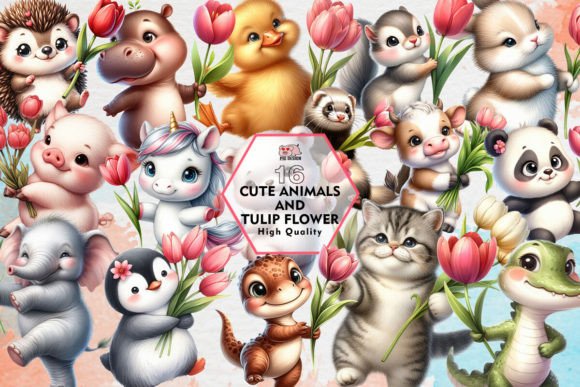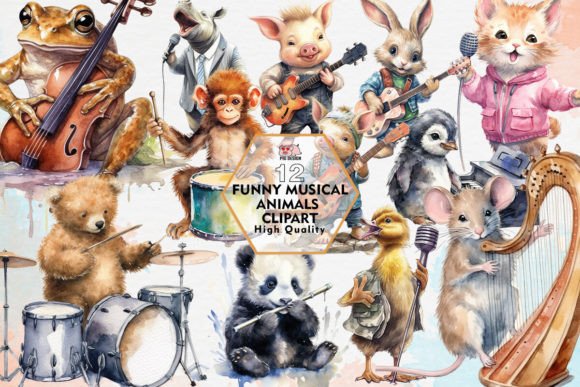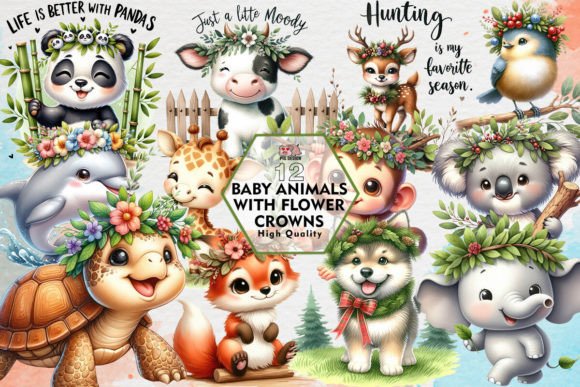
Adorable Baby Animals with Flower Crowns Clipart
Infusing a project with instant charm and warmth often comes down to finding the perfect visual element. Baby animals with flower crowns clipart offers a uniquely versatile solution, blending the innocence of youth with the beauty of nature. This specific style of graphic design asset has become a staple for creators seeking to evoke feelings of joy, whimsy, and gentle sophistication. Its appeal lies in its ability to communicate complex emotions—like celebration, tenderness, or springtime renewal—through a single, cohesive image.
The Role of Charming Imagery in Modern Visual Design
In a crowded digital landscape, capturing attention requires more than just clarity; it demands an emotional connection. Clipart featuring baby animals adorned with floral elements serves as a powerful tool in visual communication. It immediately sets a tone that is approachable and friendly, making it ideal for brands and projects targeting audiences who appreciate aesthetics, craftsmanship, and a touch of playfulness. This type of imagery strengthens brand identity by creating a memorable and consistent visual language. When used thoughtfully, it can significantly improve user engagement on social media graphics, websites, and digital marketing materials, as viewers are naturally drawn to appealing and heartwarming visuals.
Practical Applications Across Creative Projects
The utility of high-quality baby animals with flower crowns clipart extends far beyond simple decoration. Its adaptability makes it a valuable asset in a designer's toolkit for numerous applications.
- Branding and Logo Design: Perfect for businesses in the pet care, children's fashion, wedding planning, or floral industries. A well-integrated element can become a memorable part of a brand's logo or emblem.
- Marketing Materials: Enhance the appeal of flyers, brochures, and email campaigns. The imagery works beautifully for seasonal promotions, especially in spring and summer.
- Social Media Content: Boost engagement on platforms like Instagram and Pinterest. These graphics are highly shareable and can be used for posts, stories, and profile highlights to create a cohesive and inviting feed.
- Packaging and Print Design: Elevate product presentation on stickers, mugs, t-shirts, and greeting cards. The 300 DPI PNG files ensure crisp, professional results on physical products.
- Editorial and Web Layouts: Add visual interest to blog posts, newsletters, and website banners. They help break up text, guide the reader's eye, and reinforce the content's theme.
Integrating Clipart with Professional Design Principles
Simply adding a charming graphic is not enough; its effectiveness depends on thoughtful integration into the overall design. To maintain a professional presentation, consider these factors:
- Consistency and Style: Ensure the clipart's style—whether hand-drawn, watercolor, or flat design—aligns with your existing brand identity and color palette. A mismatch can create visual dissonance.
- Visual Hierarchy: Use the clipart as an accent, not necessarily the main focal point, unless it's central to your message. It should support, not overwhelm, your typography and core content.
- Scalability and Quality: High-resolution files (like 300 DPI) are non-negotiable for print design to avoid pixelation. For digital use, ensure the file size is optimized for fast web loading without sacrificing clarity.
- Audience Alignment: While universally appealing, confirm that this aesthetic resonates with your target demographic. It's particularly effective for audiences that value creativity, nature, and gentle aesthetics.
Ultimately, the strategic use of carefully selected creative assets like baby animals with flower crowns clipart can profoundly elevate a project. It moves a design from being merely functional to truly engaging, blending visual appeal with clear communication. By choosing high-quality, versatile graphics and applying them with a keen eye for composition and context, designers and creators can craft experiences that delight the audience and strengthen the intended message, proving that in design, thoughtful details make all the difference.